
The Physiological Benefits of Massage Therapy
Massage therapy is often associated with relaxation, but its benefits extend far beyond stress relief. On a physiological level, massage influences nearly every system in the body — from circulation and immunity to muscle recovery and nervous system function. By working directly with soft tissues, massage supports the body’s natural ability to heal, repair, and thrive.
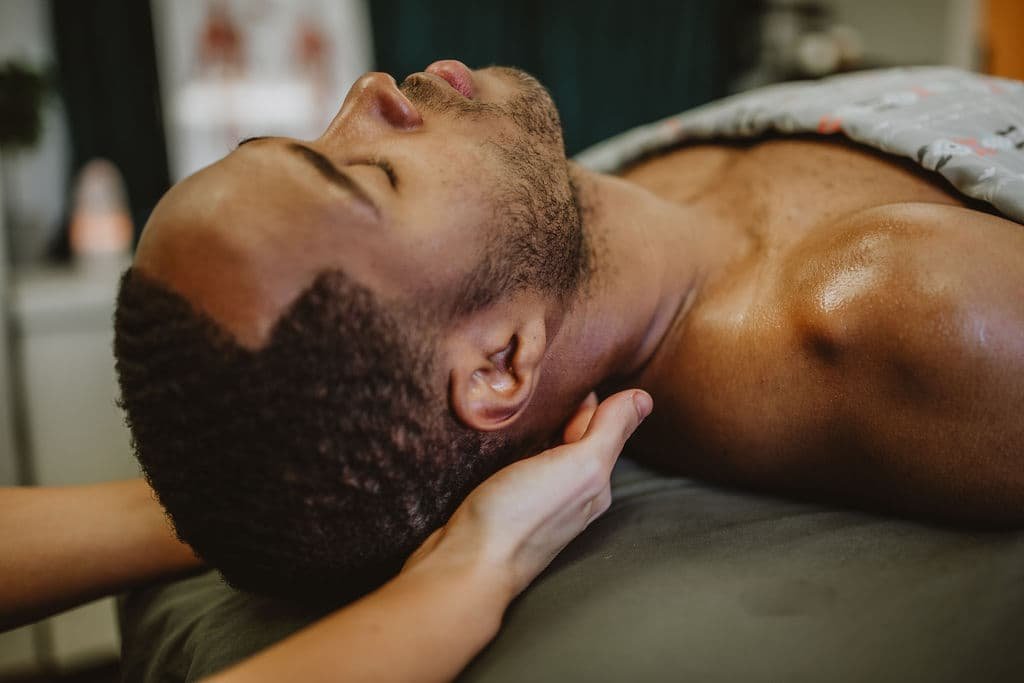
7 Ways Massage Therapy Impacts Your Body
1. Improved Circulation and Oxygen Flow
One of the most immediate effects of massage is improved circulation. As muscles are kneaded and compressed, blood vessels dilate, allowing more oxygen-rich blood to flow through those tissues. This increased circulation helps deliver nutrients to tissues and removes metabolic waste products, like lactic acid, more efficiently.
The result? Faster recovery after exercise, reduced muscle soreness, and overall better tissue health. For people who spend long hours sitting, massage can counteract sluggish blood flow, helping to re-energize the body.
2. Enhanced Lymphatic Function and Immunity
Massage doesn’t just improve blood circulation — it also supports the lymphatic system. This vital system carries immune cells throughout the body and helps clear toxins, excess fluids, and waste.
Gentle, rhythmic techniques can stimulate lymphatic flow, reducing swelling and supporting immune function. That’s one reason why lymphatic massage is especially beneficial after surgery or injury. Even in general relaxation massage, improved lymph movement can help the body feel lighter and more balanced, while bolstering your natural defenses against illness.
3. Muscle Recovery and Flexibility
Massage directly impacts the musculoskeletal system by loosening tight fibers, breaking down adhesions, and improving overall muscle elasticity. This makes it a valuable tool for athletes, weekend warriors, or anyone who experiences muscle stiffness.
By reducing tension and increasing blood flow, massage helps muscles recover more quickly after strenuous activity. It also supports greater flexibility and range of motion, which can prevent injuries and make daily movement feel easier. Whether you’re training for a marathon or simply want to bend down without pain, massage helps keep your body moving freely.
4. Pain Relief and Nervous System Regulation
Chronic pain can create a cycle of tension where tight muscles send pain signals to the brain, which then increases muscle guarding. Massage therapy interrupts this loop. By calming the nervous system and loosening tissues, massage can reduce the perception of pain and improve overall comfort.
In fact, studies have shown that massage stimulates the release of endorphins, the body’s natural painkillers. This makes it helpful for conditions like headaches, TMJ dysfunction, sciatica, and low back pain. Over time, regular sessions can retrain the body to relax, reducing chronic tension and minimizing flare-ups.
5. Healthier Skin and Soft Tissue
Massage also benefits the body’s largest organ — the skin. Increased circulation brings nutrients to the skin’s surface, promoting cell regeneration and a healthy glow. Oils or lotions used during sessions can provide hydration, leaving skin softer and more nourished.
Beyond the skin itself, massage promotes the health of connective tissues like fascia, which surround muscles and organs. Keeping fascia pliable reduces restrictions, enhances posture, and improves overall mobility.
6. Lower Blood Pressure and Heart Health
Massage therapy has been shown to help regulate blood pressure by promoting relaxation and reducing stress hormones. As the parasympathetic nervous system takes over during a session, heart rate slows, blood vessels relax, and blood pressure can decrease.
For individuals managing hypertension or cardiovascular concerns (with their doctor’s approval), massage offers a natural complement to other healthy lifestyle habits. Even a single session can have measurable effects, while regular massage supports long-term cardiovascular wellness.
7. Supporting the Body’s Natural Healing Process
At its core, massage therapy enhances the body’s own ability to repair itself. By encouraging circulation, calming the nervous system, and supporting tissue health, massage creates the ideal conditions for healing to take place.
This is why massage is often recommended after injuries, during recovery from surgery, or as part of ongoing wellness care. It doesn’t just address symptoms — it works with the body to restore balance and promote resilience.
Massage therapy is far more than a luxury. Its physiological benefits touch nearly every system in the body, helping you feel stronger, healthier, and more at ease. Whether you’re seeking faster recovery, less pain, or simply better overall function, massage offers a natural and effective way to support long-term wellness.

About The Studios at Summit Therapeutics
We are a Denver-based bodywork and massage studio dedicated to providing expert massage therapy services that promote healing, relaxation, and overall well-being. With a focus on personalized care and proven techniques, we help clients reconnect with their bodies and live pain-free.
Discover more about our services and book your appointment at Summit
Follow us on Instagram: @Summit.Therapeutics
