
Why Your Muscles Feel Softer After A Massage
Have you ever noticed that your muscles feel stiff and resistant at the beginning of a session, but by the end of the massage, they’re soft, pliable, and flexible? That shift isn’t just in your imagination — it’s an example of a fascinating process called thixotropy.
What Is Thixotropy?
Thixotropy is a scientific term used to describe how certain substances change their consistency based on movement or pressure. Imagine honey: when it sits in the jar, it’s thick and sticky. But if you stir it, it becomes more fluid and easier to pour.
The same principle applies to your body’s soft tissues — especially fascia, the connective tissue that surrounds and supports muscles, joints, and organs. When fascia is immobile, cold, or dehydrated, it becomes more gel-like and resistant. With movement, heat, or gentle manipulation, it transitions into a more fluid state, allowing tissues to slide and glide freely again.
Why Tissues Feel “Stuck”
When you spend long hours sitting at a desk, recovering from an injury, or even just waking up after a night’s rest, your fascia can stiffen. This stiffness isn’t only about muscle fibers — it’s also about the thickened, sticky quality of the connective tissue that surrounds them.
That’s why you might feel “creaky” in the morning, or tight after sitting too long. It isn’t permanent damage — it’s simply your tissues in their thicker, gel-like state.
How Massage Creates Change
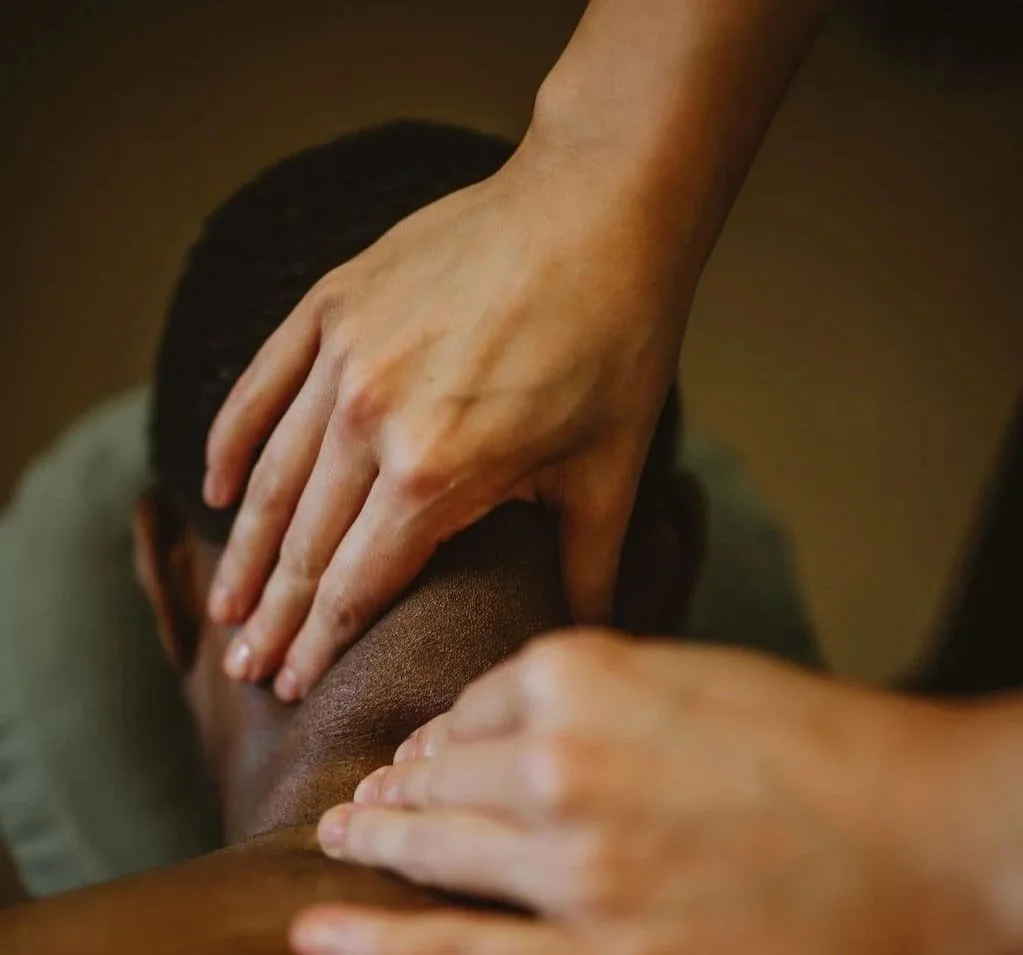
Massage therapy is one of the most effective ways to encourage thixotropy in the body. As a therapist applies gentle pressure, stretching, and heat from their hands, fascia gradually shifts into a more fluid state. This allows muscles to lengthen, adhesions to release, and tissues to become more pliable.
Clients often notice:
Improved mobility in stiff joints.
Less resistance during stretching.
A sense of “lightness” as the body feels more fluid and connected.
It’s not just about relaxing the muscles — it’s about changing the actual consistency of the connective tissues, making them healthier and more responsive.
The Role of Movement and Self-Care
Massage is a powerful tool, but thixotropy isn’t limited to the treatment room. Movement plays a huge role. Regular stretching, gentle exercise, and staying hydrated all help fascia maintain its more fluid, adaptable state.
That’s why you often feel looser not only after a massage, but also after yoga, walking, or a warm bath. All of these activities apply warmth and movement to tissues, reminding your fascia to stay mobile.
Why Understanding Thixotropy Matters
Knowing about thixotropy helps you understand why consistent massage is so beneficial. It’s not just a temporary relief — it’s a way of keeping your tissues healthy over the long term. By regularly reminding fascia to stay pliable, massage helps prevent stiffness, improves posture, and supports pain-free movement.
So, the next time you notice how much softer and freer your body feels after a session, you’ll know why: your tissues have literally transformed. Massage has guided them from a stuck, gel-like state into a fluid, flexible one — leaving you lighter, looser, and ready to move with ease

About The Studios at Summit Therapeutics
We are a Denver-based bodywork and massage studio dedicated to providing expert massage therapy services that promote healing, relaxation, and overall well-being. With a focus on personalized care and proven techniques, we help clients reconnect with their bodies and live pain-free.
Discover more about our services and book your appointment at Summit
Follow us on Instagram: @Summit.Therapeutics
